
Algiers Complete Travel Guide: Everything You Need to Know
Your ultimate guide to the White City — neighborhoods, must-see spots, where to eat, and local tips.
Insider tips, local knowledge, hidden gems — everything you need to discover Algeria like a local.
Algeria is the largest country in Africa, with landscapes that range from Mediterranean beaches to endless Saharan dunes.




A rich culinary tradition influenced by Berber, Arab, Ottoman, and French heritage. Here's what you must try.
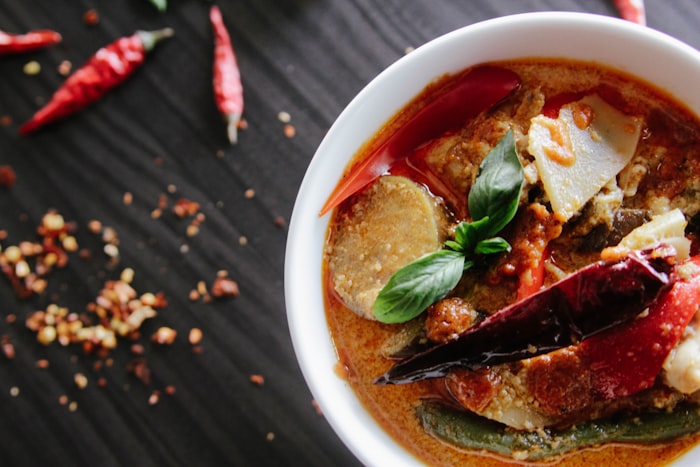
Algeria's national dish — fluffy semolina with a rich lamb and vegetable stew. Every region has its own version, from Kabyle to Oranaise.
A hearty soup made with cracked green wheat, lamb, tomatoes, and coriander. The soul of Ramadan tables across Algeria.
Crispy fried pastry filled with minced meat, egg, and parsley. Algeria's ultimate street food snack — found everywhere.
A beloved Algerian tagine with chicken or lamb, olives, and preserved lemons in a delicate white sauce.
Golden semolina pastries stuffed with date paste and dipped in honey — the undisputed king of Algerian sweets.
Algeria's culture is a vibrant mosaic of Amazigh, Arab, and Mediterranean influences built over thousands of years.
Born in the streets of Oran, Raï blends traditional Algerian sounds with Western pop. Icons like Khaled and Cheb Mami brought it to the world stage.
Read more →Algeria's indigenous Amazigh people have maintained their language, art, and traditions for millennia. Visit Kabylie to experience living Amazigh culture.
Read more →Algerian weddings are multi-day celebrations with elaborate rituals, traditional costumes, henna nights, and music that varies by region.
Read more →From the Great Mosque of Algiers — the third largest in the world — to ancient mosques in Tlemcen, Algeria's Islamic heritage is breathtaking.
Read more →Experience Algeria during Ramadan for its most magical atmosphere — streets come alive at Iftar, markets overflow with sweets, and community spirit is everywhere.
Read more →Algeria's 1954–1962 revolution against French colonization is a defining chapter of African history. Visit the Martyrs' Memorial in Algiers to understand this legacy.
Read more →Everything you need to know before visiting Algeria — from visas to weather, safety to currency.
Most nationalities require a visa to enter Algeria. Apply through the Algerian embassy in your country at least 4–6 weeks in advance.
Apply 6 weeks earlyMajor cities like Algiers, Oran, and Constantine are generally safe for tourists. Border regions near Mali and Libya should be avoided.
Cities are safeSpring (March–May) and Autumn (September–November) are ideal for northern Algeria. For the Sahara, visit November through February.
March–May is perfectThe Algerian Dinar (DZD) is the local currency. Credit cards are accepted in major hotels only. Bring cash outside big cities.
Bring cash in DZDAlgeria has an expanding railway network between major cities. Intercity buses are affordable and frequent. Taxis are plentiful in cities.
Trains are comfortableMobilis, Djezzy, and Ooredoo offer tourist SIM cards. 4G coverage is good in cities. Download offline maps before heading south.
Buy SIM at airportIn-depth guides written by locals who know Algeria like the back of their hand.
 Destination
Your ultimate guide to the White City — neighborhoods, must-see spots, where to eat, and local tips.
Adventure
Dunes, stargazing, camel treks — everything you need to plan a safe and unforgettable Sahara trip.
 Food & Culture
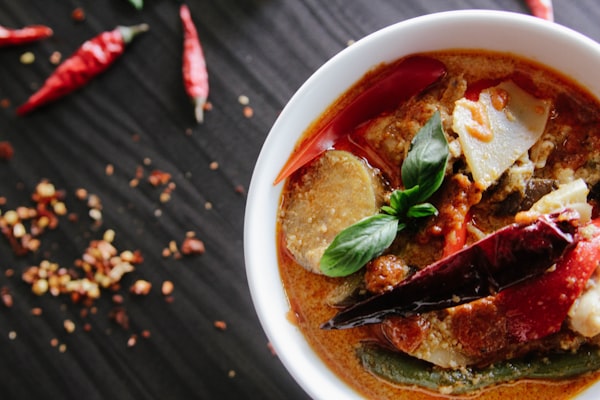
From street food to wedding feasts — a deep dive into the flavors that define Algerian identity.
History
Built in 100 AD by Emperor Trajan, Timgad is one of the best-preserved Roman cities in the world.
Practical
Documents needed, processing times, and tips to make your application successful on the first try.
 Hidden Gems
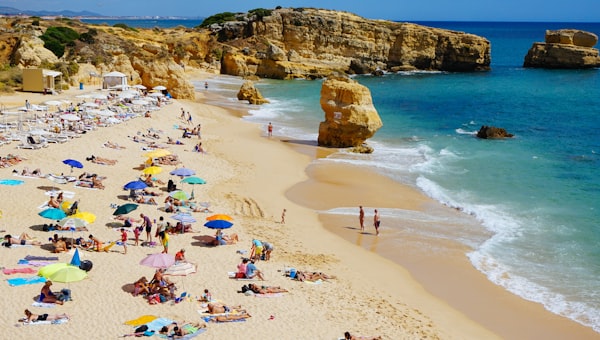
Emerald valleys, ancient Amazigh villages, and coastlines that rival the French Riviera — without the crowds.